
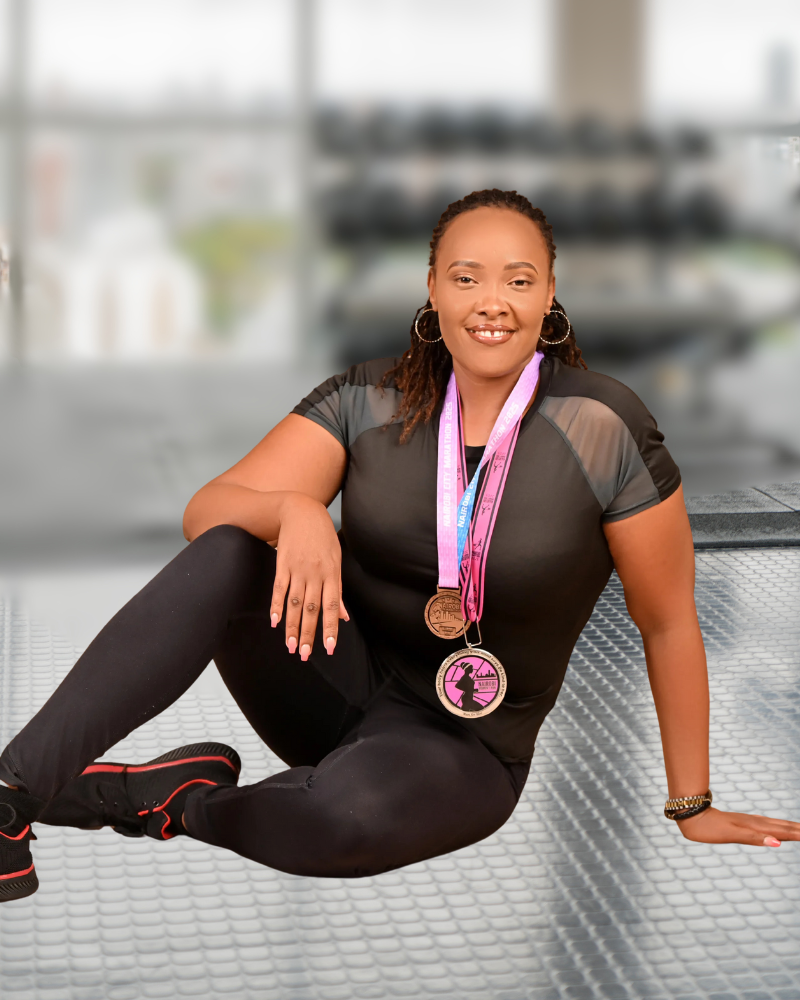
In 2018, I was in Mbarara, Uganda, for work, feeling off — exhausted, thirsty, peeing constantly. I brushed it off as stress or dehydration, as many of us do. But when my symptoms worsened, I hurriedly left Uganda, landed in Kenya, and went straight to the hospital. The diagnosis hit like a lightning bolt: diabetic ketoacidosis (DKA), a life-threatening complication of diabetes I didn’t know I had. The doctor’s words chilled me: “DKA is a leading cause of death for undiagnosed diabetes.” My world tilted. Diabetes? Me?
The Diagnosis That Shook Me
I was scared, angry, overwhelmed. I’d ignored weeks of fatigue, dry mouth, and frequent urination, thinking, “It’s just work stress” or “maybe hormones.” In Africa, diabetes affects over 24 million people, with 70% undiagnosed, per the International Diabetes Federation (IDF) 2021 report. Like Amina from Nigeria, who shared on X how she collapsed from DKA at 32, I was blindsided. The word “diabetes” felt like a lifelong chain.
The Advice That Didn’t Feel Right
Stabilized with insulin and IV drips, a nutritionist advised, “Eat six small meals daily, focus on fruits, avoid fats, and take insulin for life.” I nodded, but it felt wrong. Six meals with my blood sugar already spiking? More fruit? Lifelong meds? It echoed what Dr. Jason Fung critiques in The Diabetes Code (2018): conventional advice often manages symptoms, not root causes. I wanted healing, not a prescription prison.
My Quiet Revolution
Leaving the hospital, I was determined to take control. I dove into research, inspired by stories
like Kwame from Ghana, who reversed his Type 2 diabetes through lifestyle changes, shared in a
2022 African Health Sciences article. I started:
- Walking 10,000 steps daily – In 2023, I launched my 100-day 10k steps challenge, inspired by a South African study showing daily walking lowers blood sugar by 20% (Journal of Diabetes Research, 2020).
- Strategic eating – I cut meal frequency, prioritized protein and fats, and delayed breakfast, aligning with Dr. Fung’s intermittent fasting principles.
- Tracking with a CGM – Continuous glucose monitoring revealed how my body responded, a tool used by diabetic communities in Kenya and beyond.
What I Wish I Knew
In that hospital bed, I needed to hear:
- Reversal is possible – A 2017 The Lancet trial (DIRECT) showed 46% of Type 2 diabetes patients achieved remission with intensive lifestyle changes.
- Movement is medicine – Walking boosts insulin sensitivity, per a 2021 Diabetes Care study.
- Your body isn’t broken – It needs care, not fear, as Dr. Fung emphasizes.
- Fewer meals, not more – Intermittent fasting improves insulin response, per a 2022 Journal of Endocrinology review.
- Healing comes from self-trust – Like Thandiwe from South Africa, who shared on X how she reclaimed her health, discipline is freedom.
Where I Am Now
Today, I’m in Type 2 diabetes remission. No daily meds, normal blood sugars (4.5–5.5 mmol/L), and energy to live fully. I walk, track, and eat strategically — not out of fear, but joy. Through my Track & Thrive community, I guide others, because no one should face this alone, like Sarah from Zimbabwe, who reversed her diabetes after joining a similar program.
Feeling lost after a diagnosis? Start with one walk, one meal tracked, one question. DM me “HEALING” to join Track & Thrive. You’re one decision from a new beginning.